
Welcome to Health Smart Products!
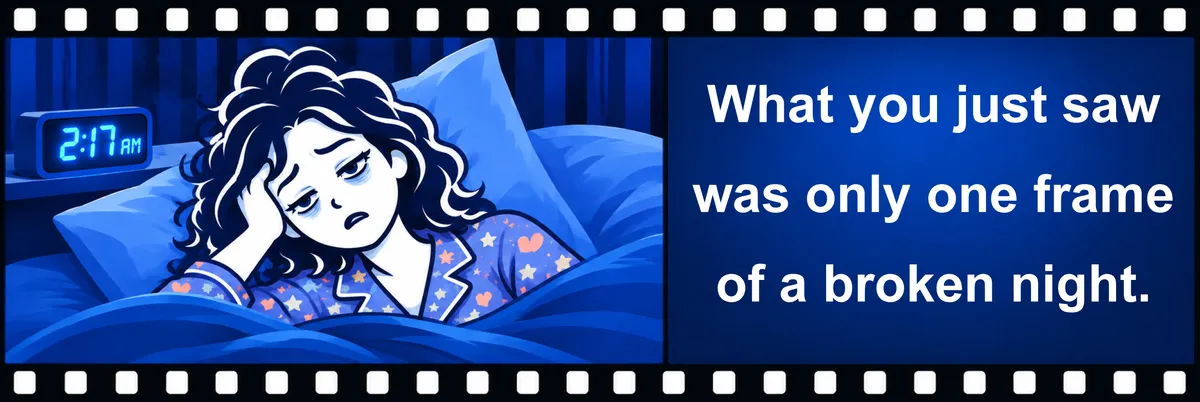
Disrupted sleep can show up in many different ways:

The harder you fight them—the
harder it becomes to fall asleep.
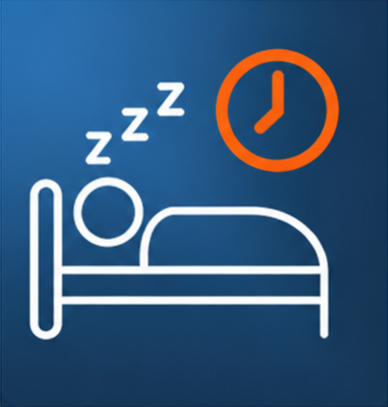
Yet you wake up again and again
throughout the night.
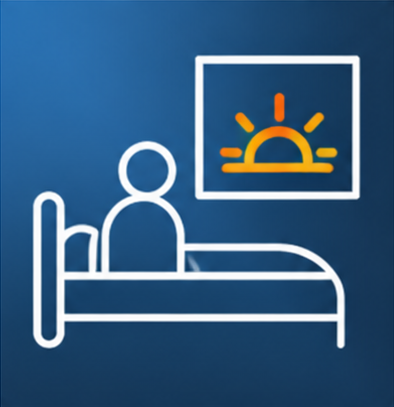
But whatever you do, you can’t
get back to sleep.
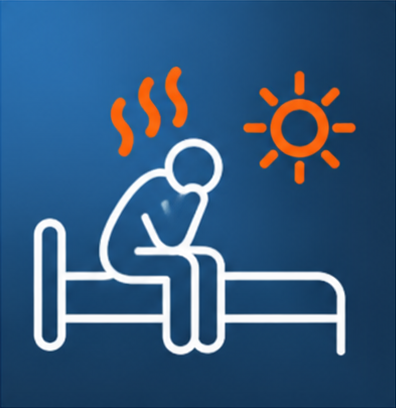
But you don’t feel rested—you’re
tired, low on energy and irritable.
IF YOU RECOGNIZED YOURSELF
IN ANY OF THAT, HERE’S WHAT SCIENTIFIC RESEARCH TELLS US:
Everyday stress can keep your brain and body on alert long after the day is over. This prolonged state of alertness can affect sleep quality.*1
WHAT DOES IN THE MOOD SUPPORT?
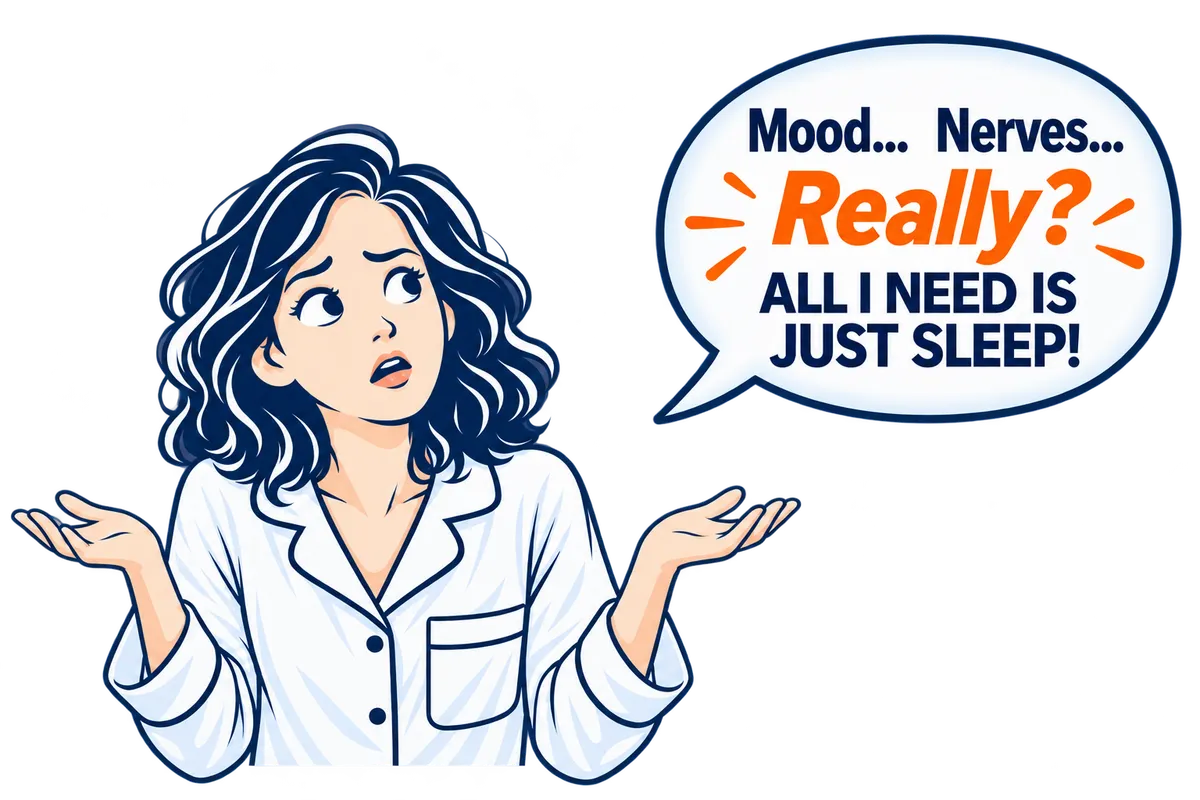
Well... falling asleep isn't controlled by a single switch.
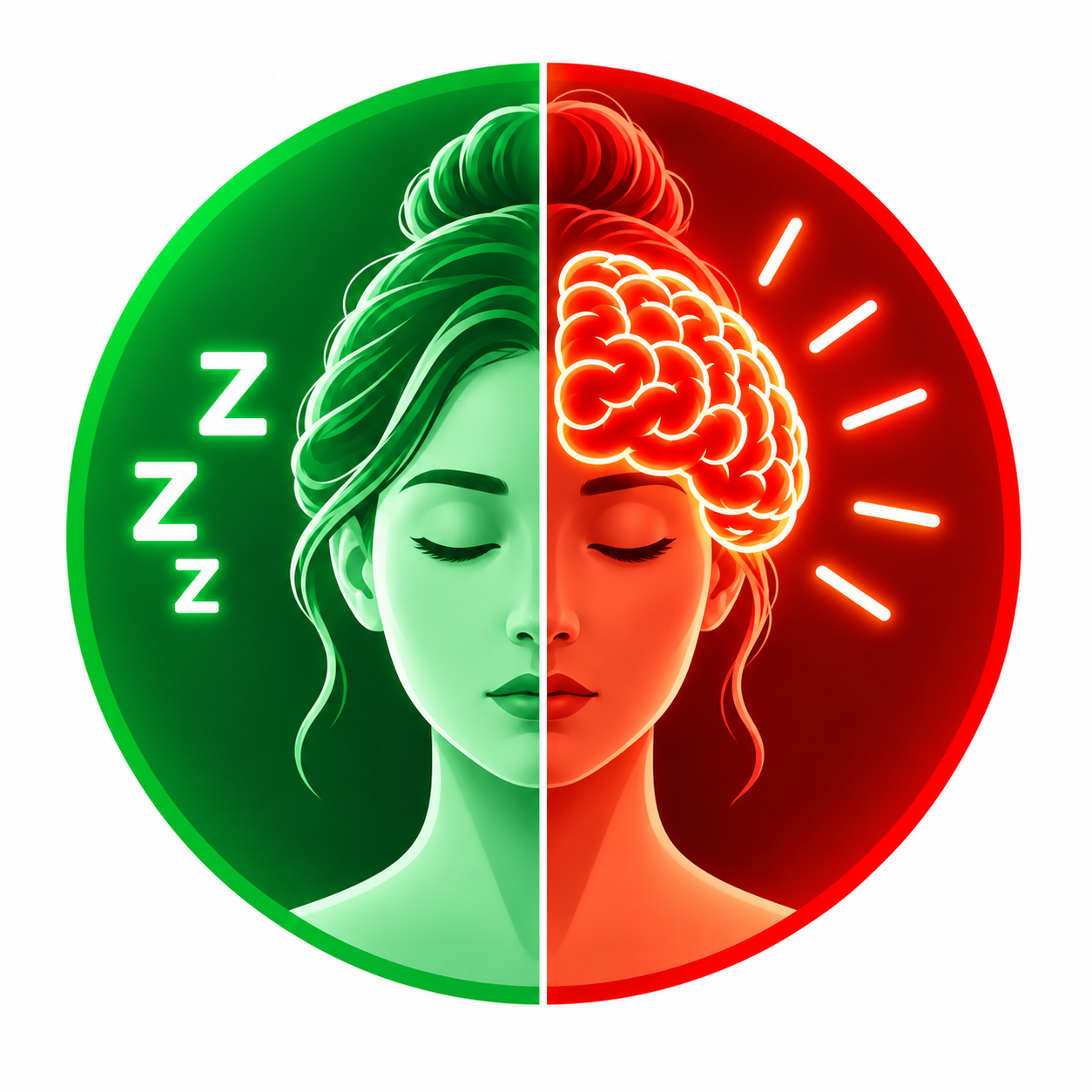
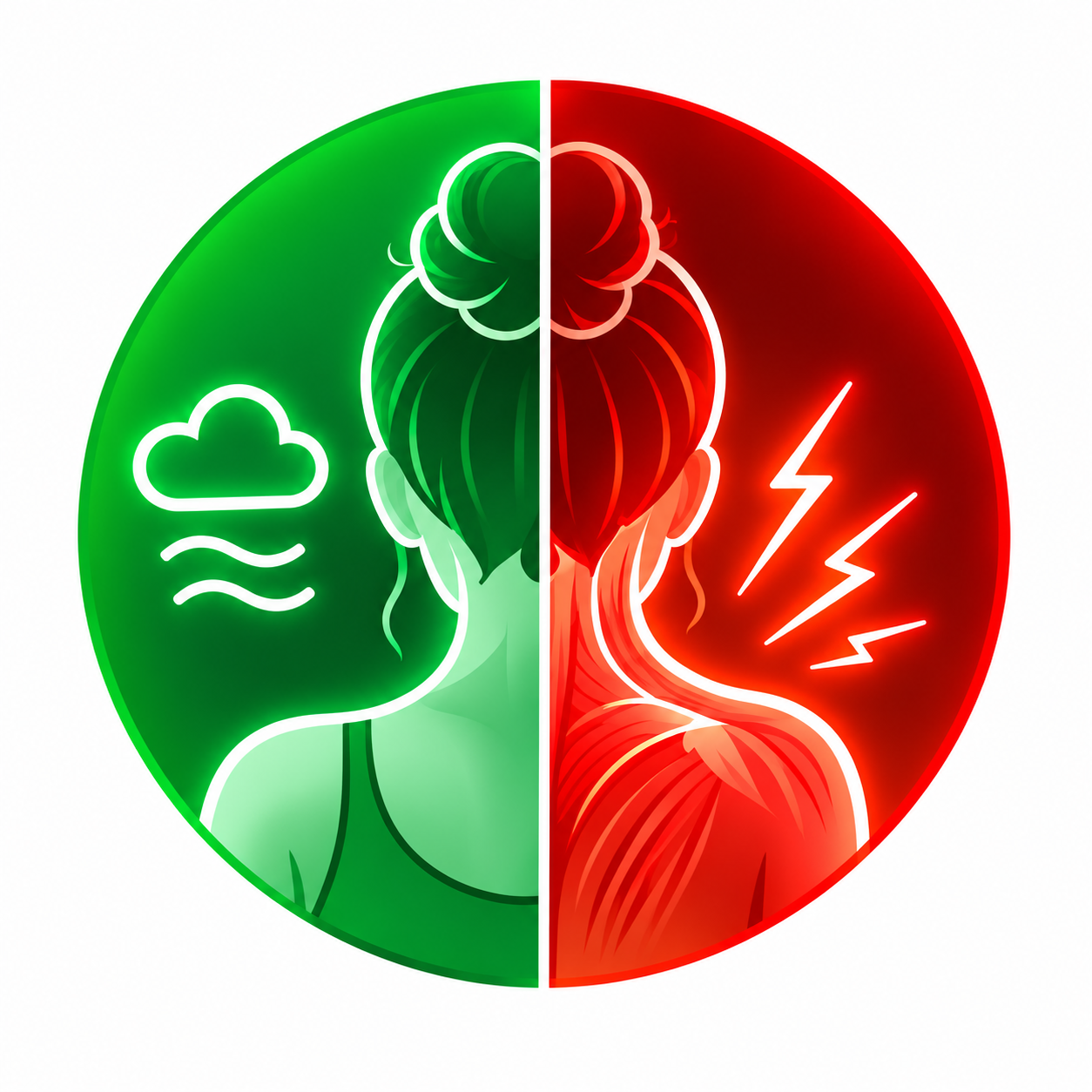
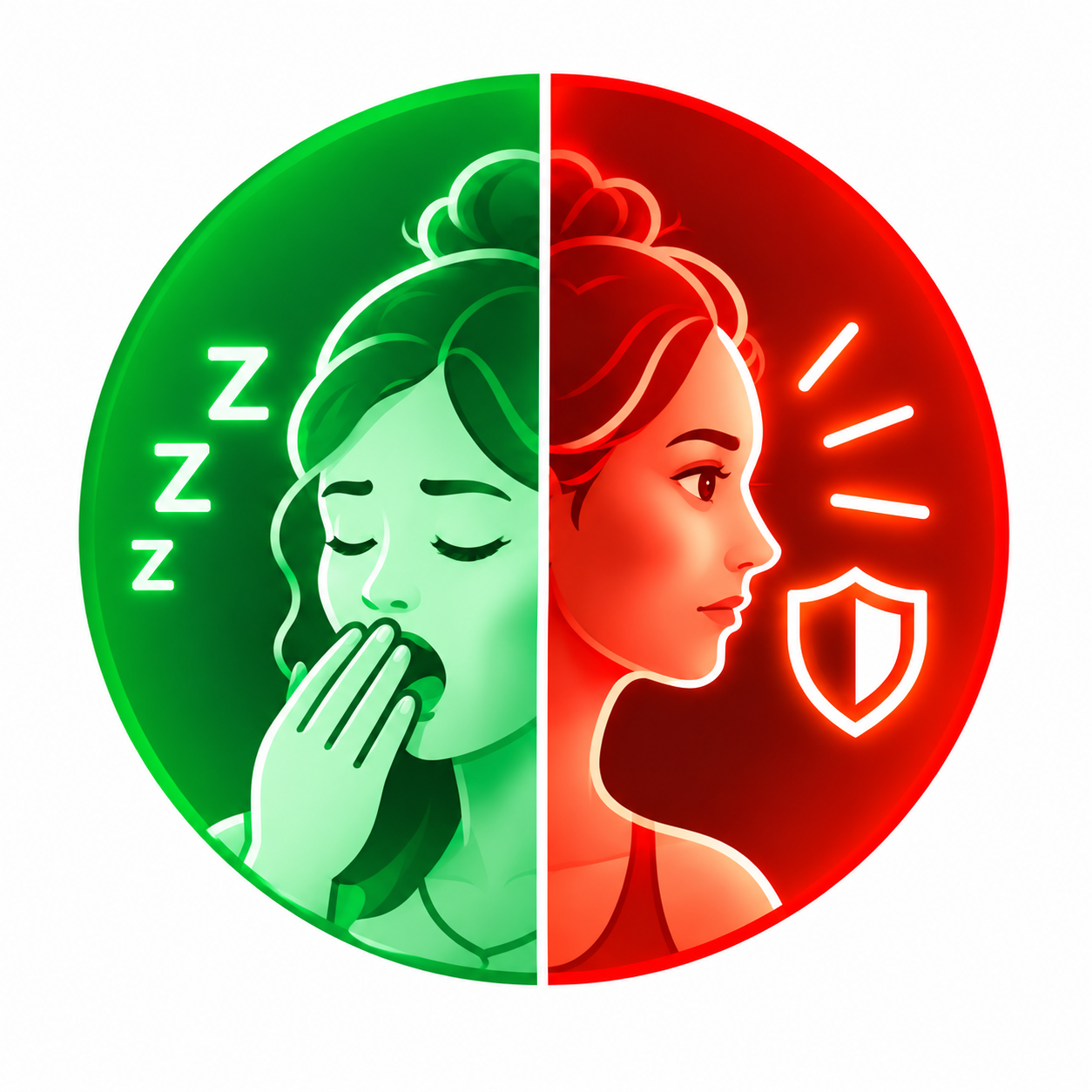
To shift you from day mode to night mode, several systems need to work together18. If they don't, here's what often happens:
Q&A
Is this a sleep aid that makes me sleepy?
No—it is not a sleep aid. The formula was designed with different needs in mind, with ingredients selected for their roles in stress response, nervous-system function, and processes involved in relaxation and rest.*
When should I take In The Mood?
If you're just starting to take In The Mood, start with 1 scoop twice a day. If nighttime support is your main goal, you can take 1 scoop before bedtime. The full 2-scoop daily serving may also be taken before bedtime.
What does it taste like?
It has a natural berry flavor and tastes best cold. Mix it with your favorite cold drink, or try it with plain seltzer—it makes a surprisingly delicious, refreshing drink with a lemonade-like taste. Because the formula contains black pepper extract, its peppery character may be more noticeable in hot drinks.
Why is In The Mood a powder instead of capsules?
Because this formula contains substantial amounts of multiple ingredients. Delivering the same formula in capsules would have required taking a large number of capsules each day.
WHAT IS NEXT?

If you’d prefer to go to the order details, please Click Here.
WHY 12 INGREDIENTS?
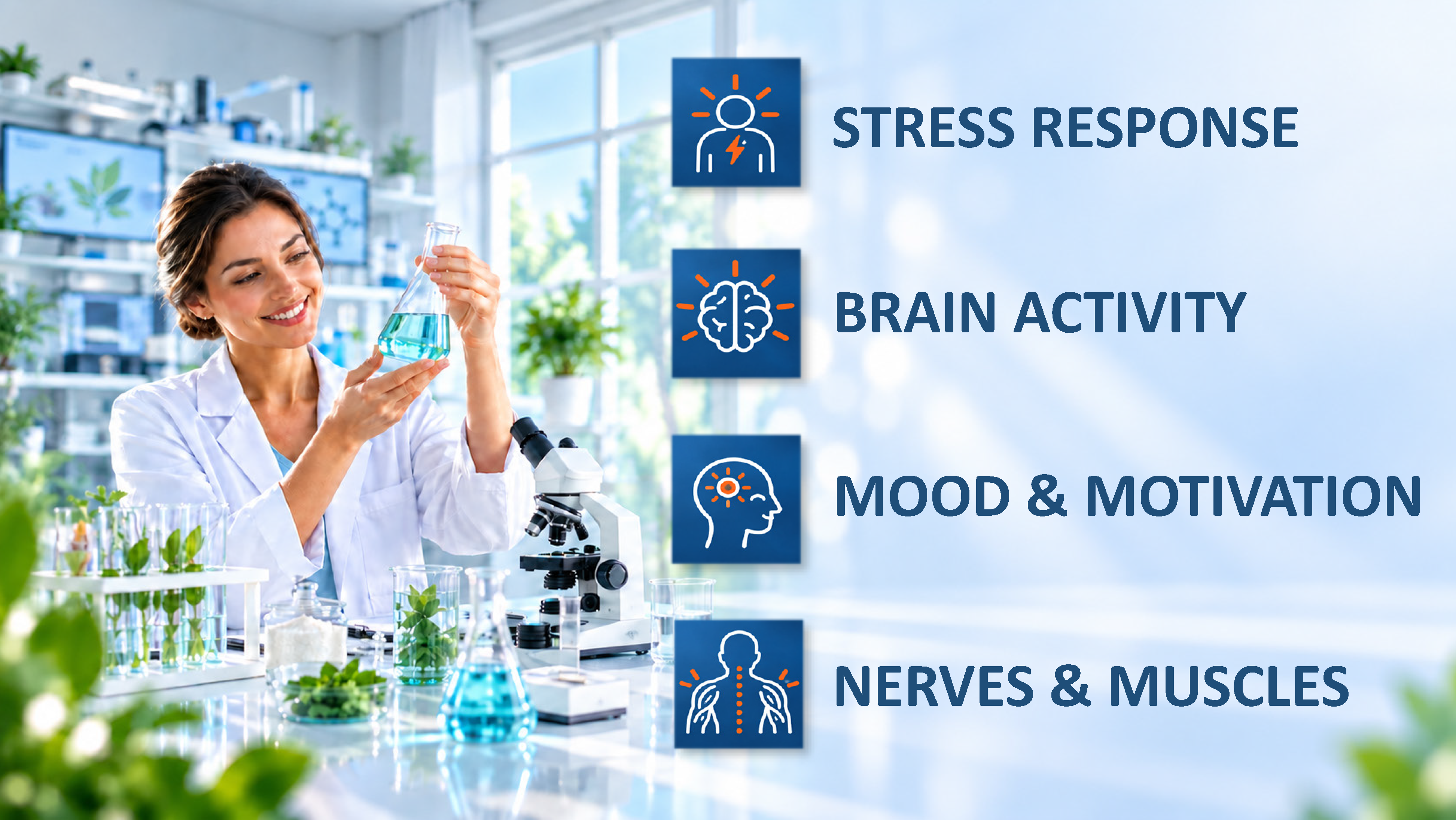
Sleep involves multiple interconnected systems. Stress response, mood, and relaxation can influence one another—and what happens in one system can affect the others.17 That gives us four areas of support:
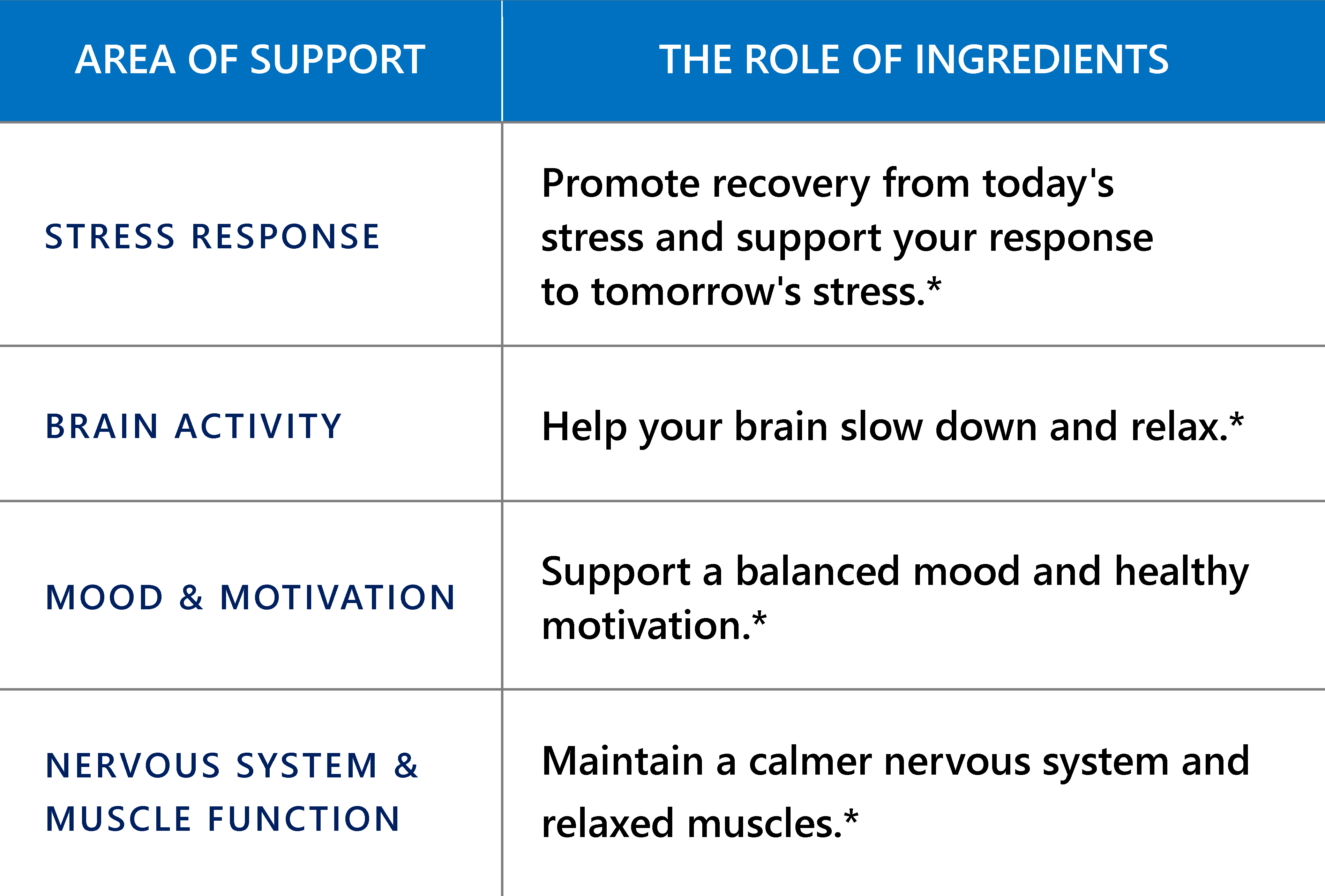
So, let’s look at how the 12 ingredients support these four areas—what each ingredient does, and why each specific dose was chosen.
Please note: throughout the ingredient tables, “Typical Market Dose” refers to the range found in similar multi-ingredient supplements—
not standalone single-ingredient products.
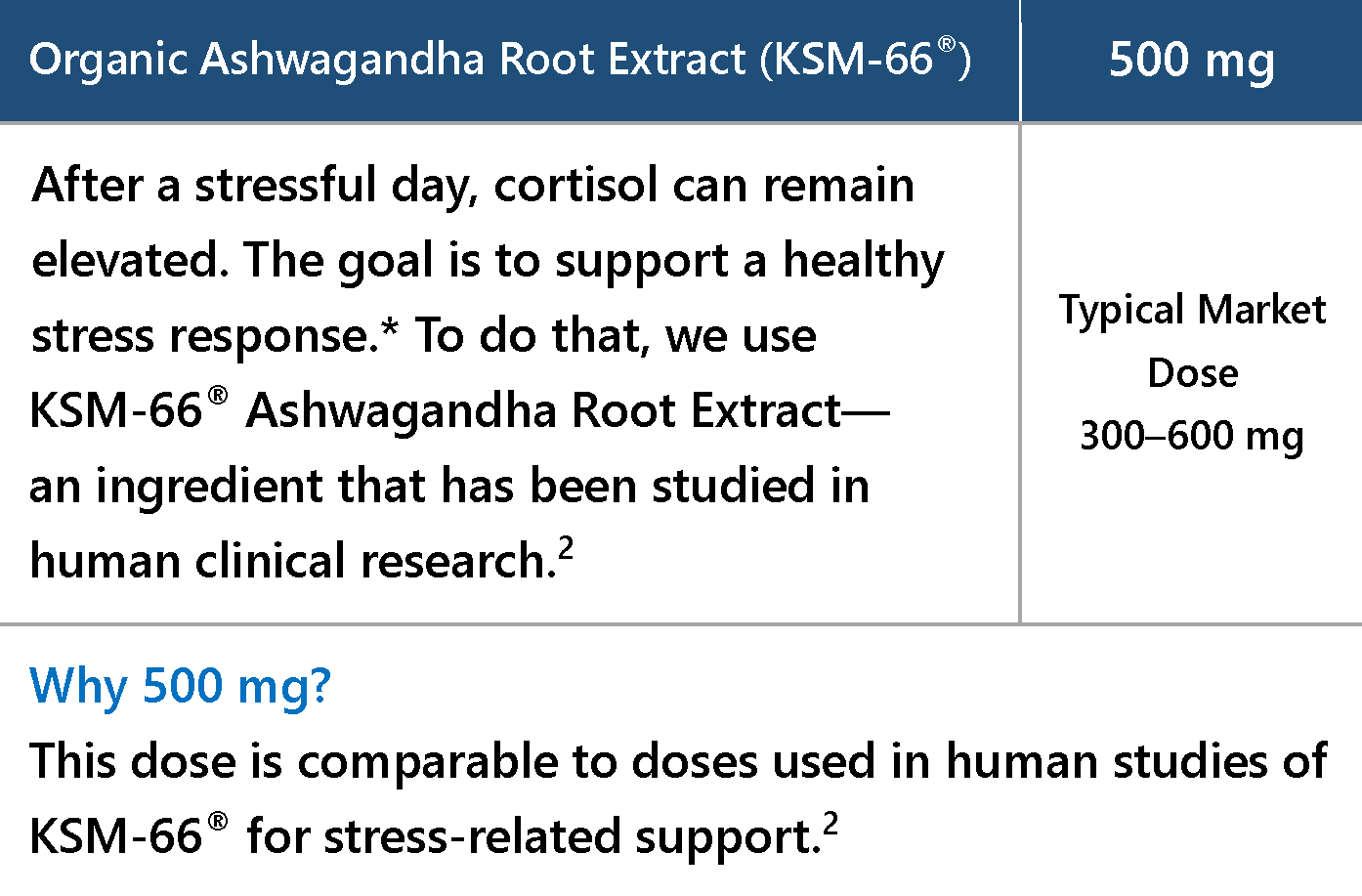
I. Today's Stress… Tomorrow's Stress…
Here we use two different ingredients with complementary roles:
— one selected to support recovery from today's stress
— the other selected to support your response to tomorrow's stress.
II. Slow Down Racing Thoughts
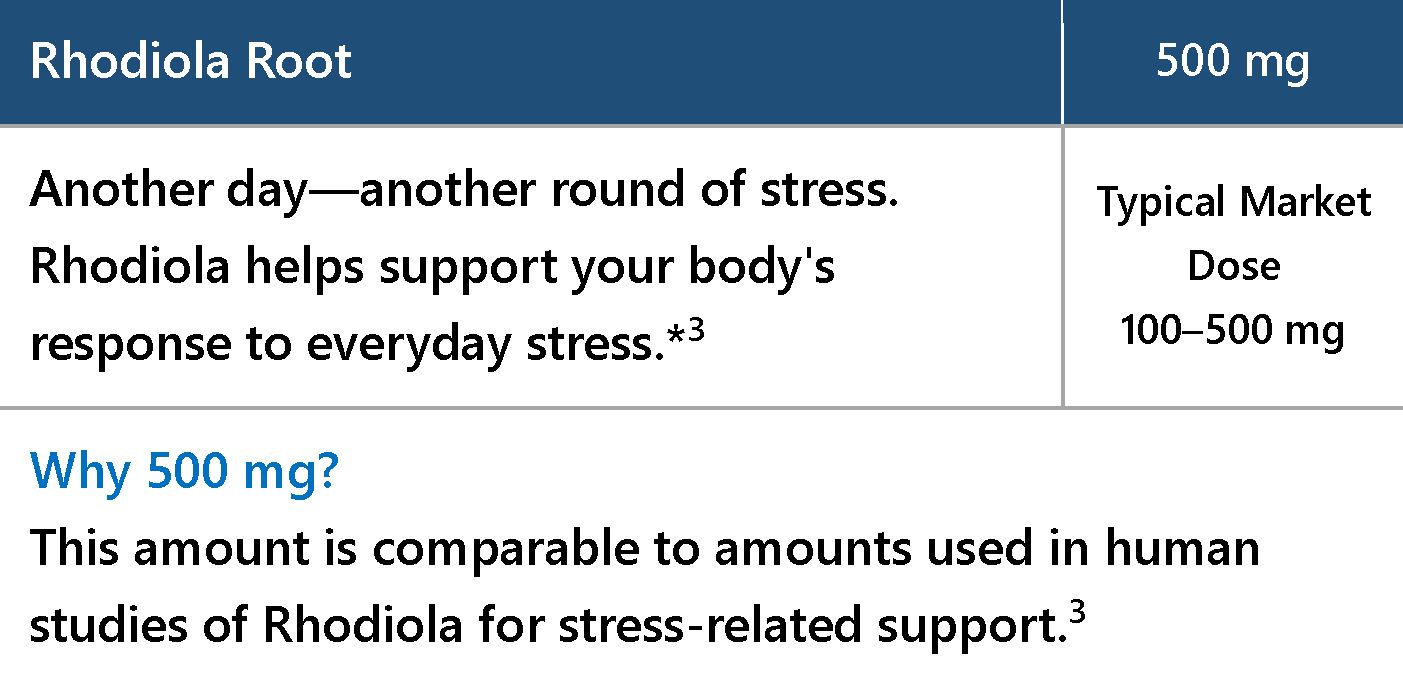
Calming a racing mind involves several different processes—from the balance of stimulating and calming nerve signals to alpha brain-wave activity and other processes involved in relaxation. Because so many different processes are involved, this area requires broader support. That's why we selected five different ingredients, each supporting a different part of the process.
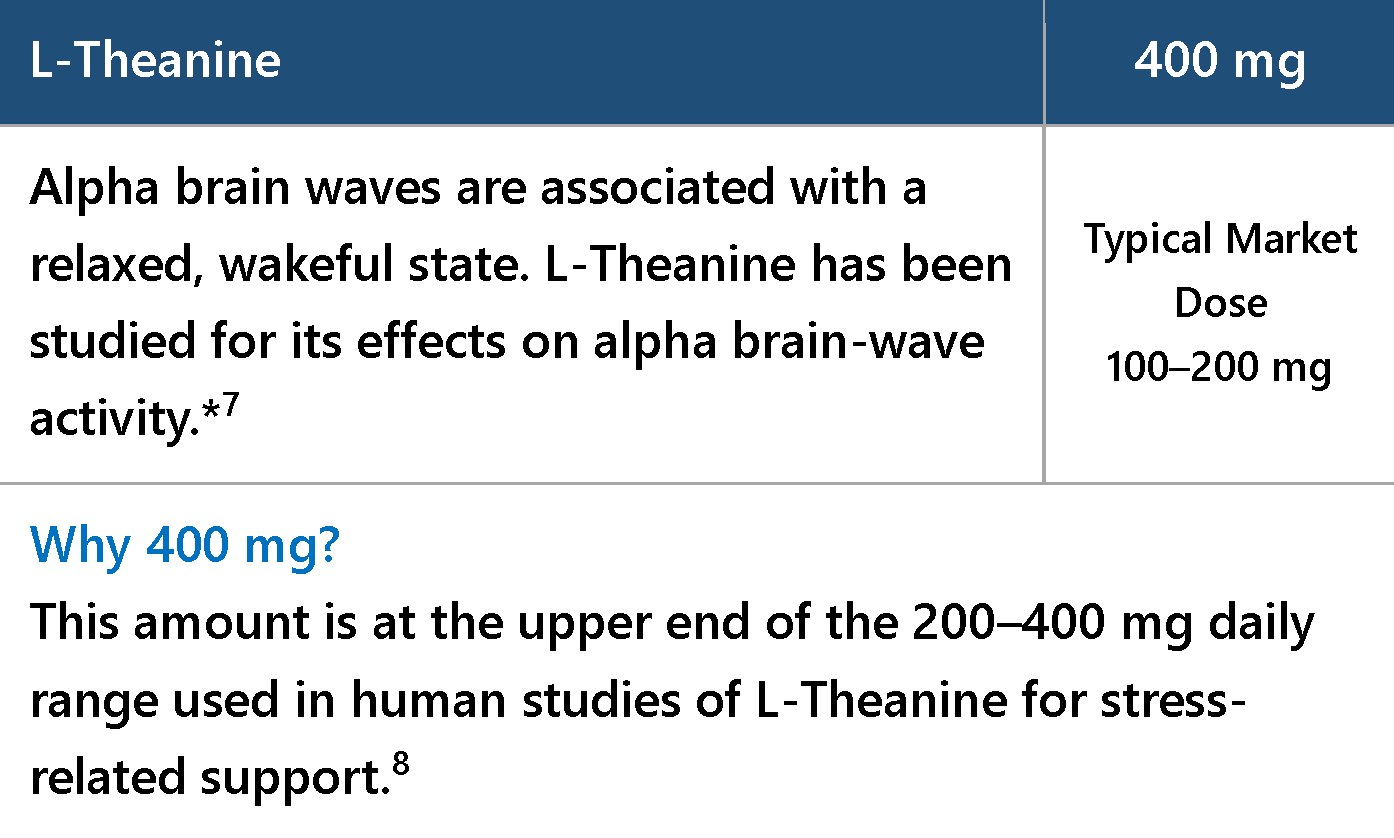
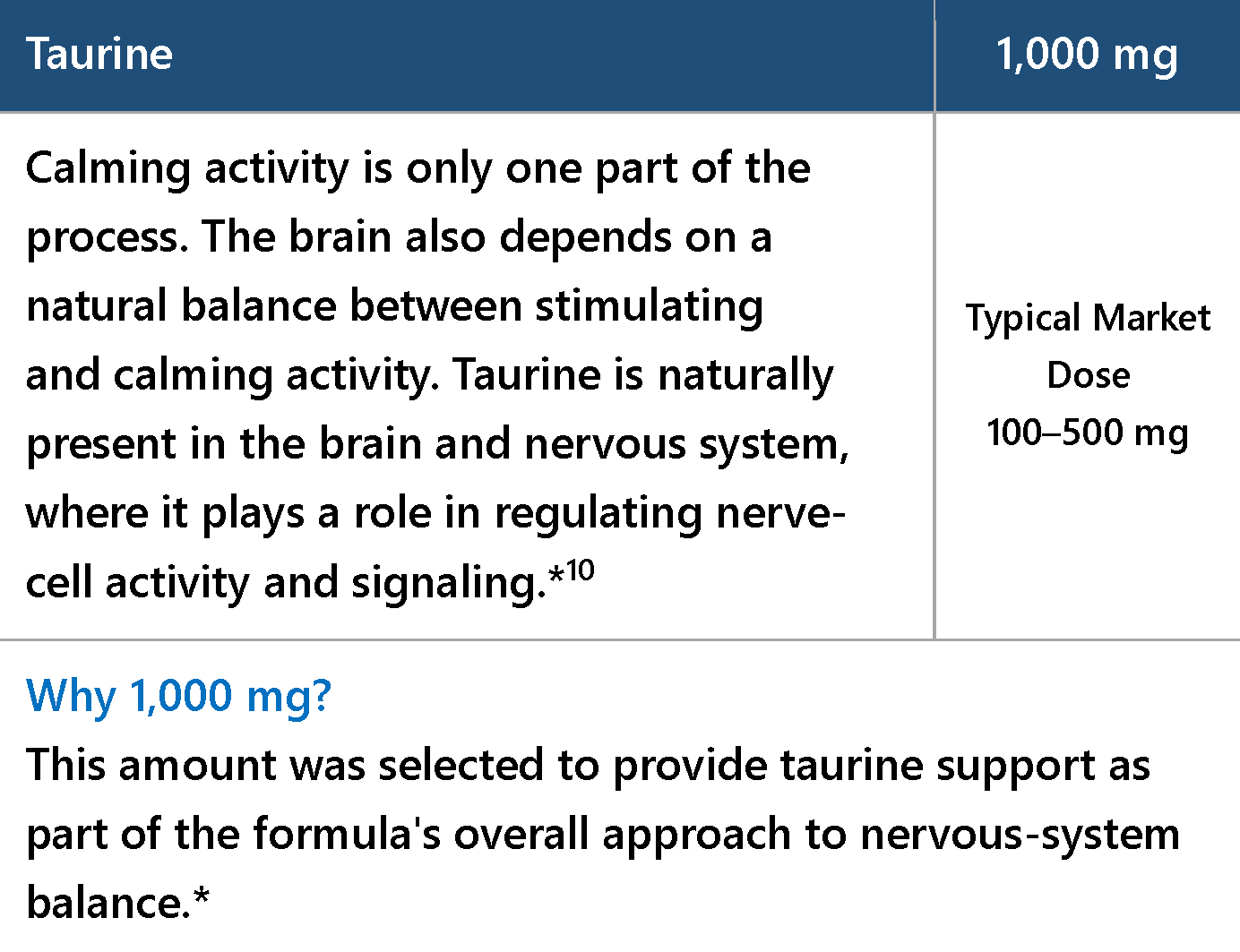
III. Mood and Sleep—They're Connected
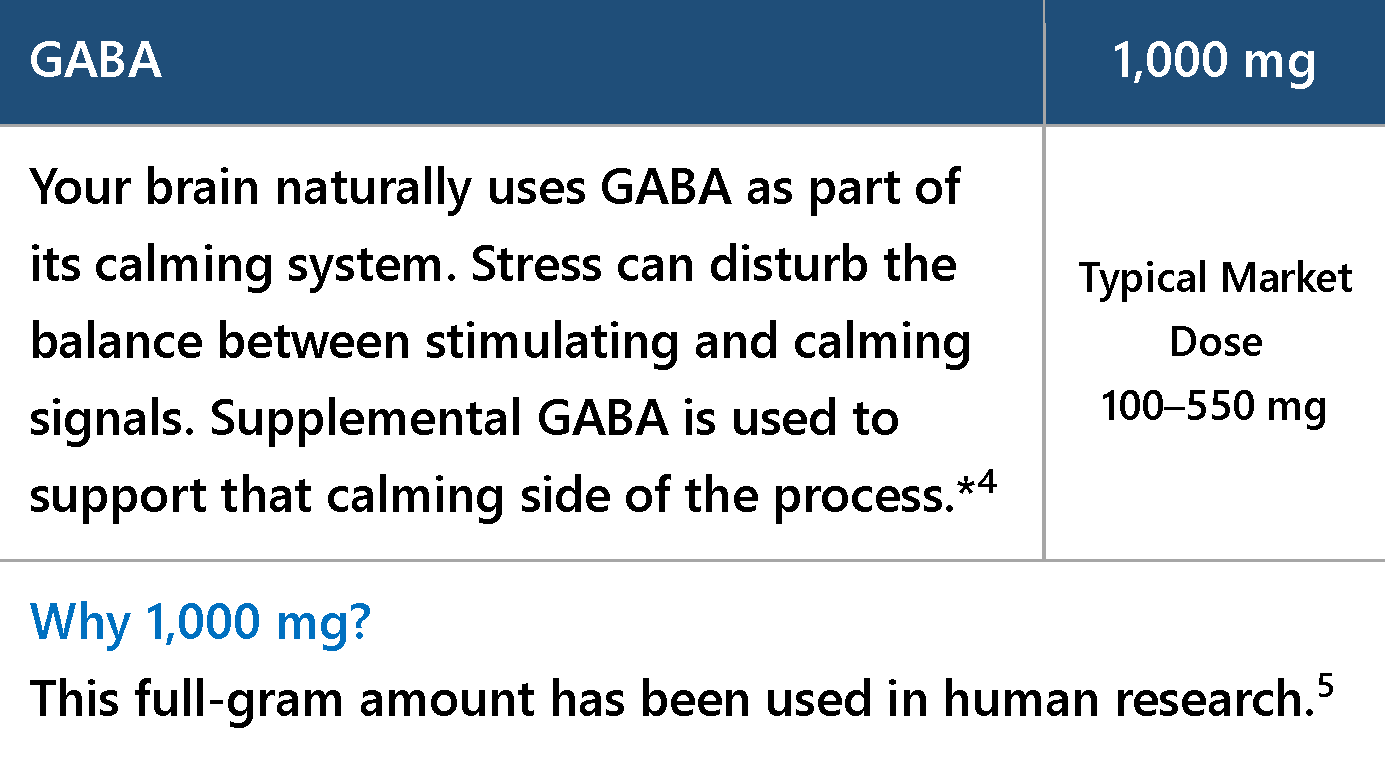
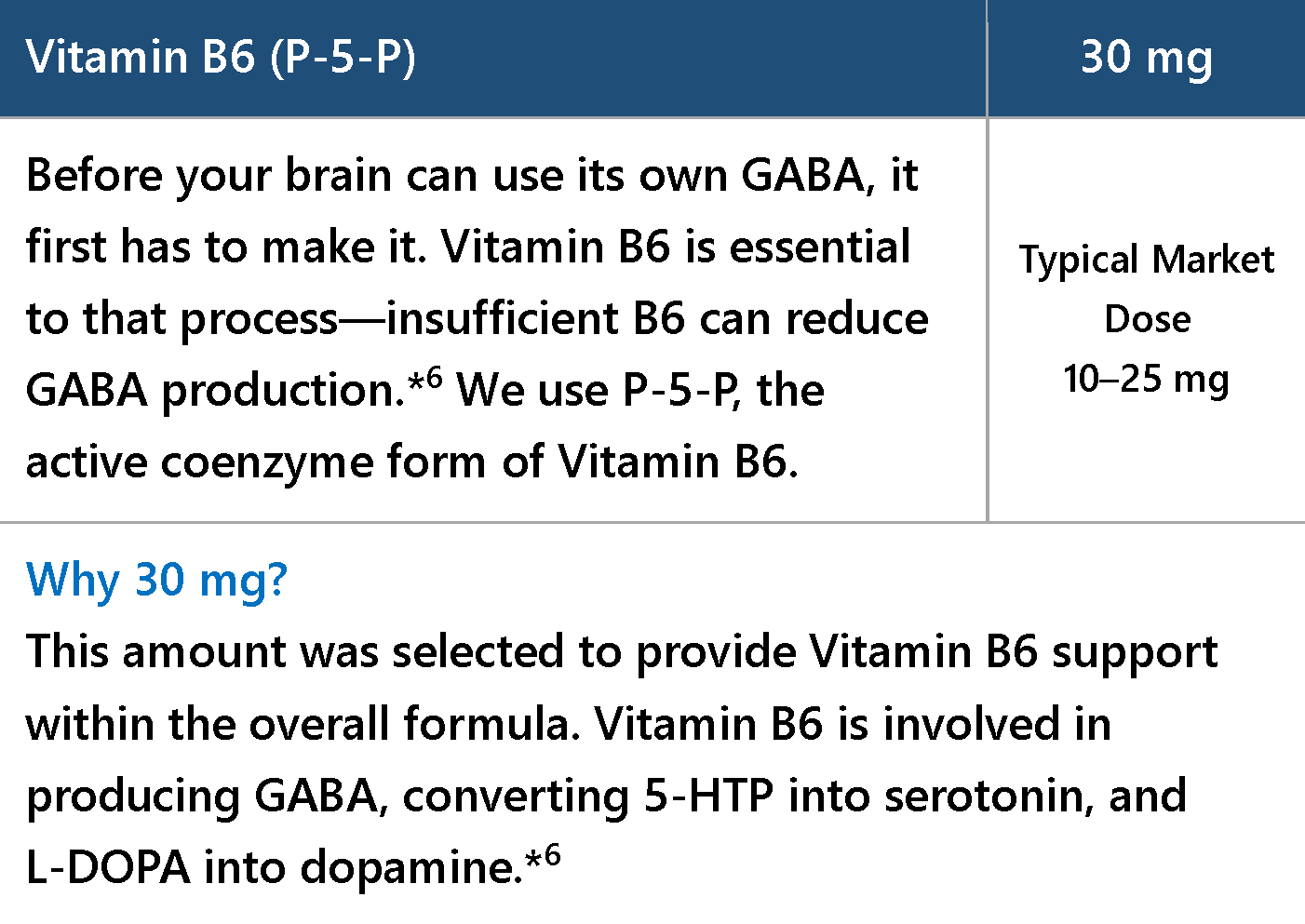
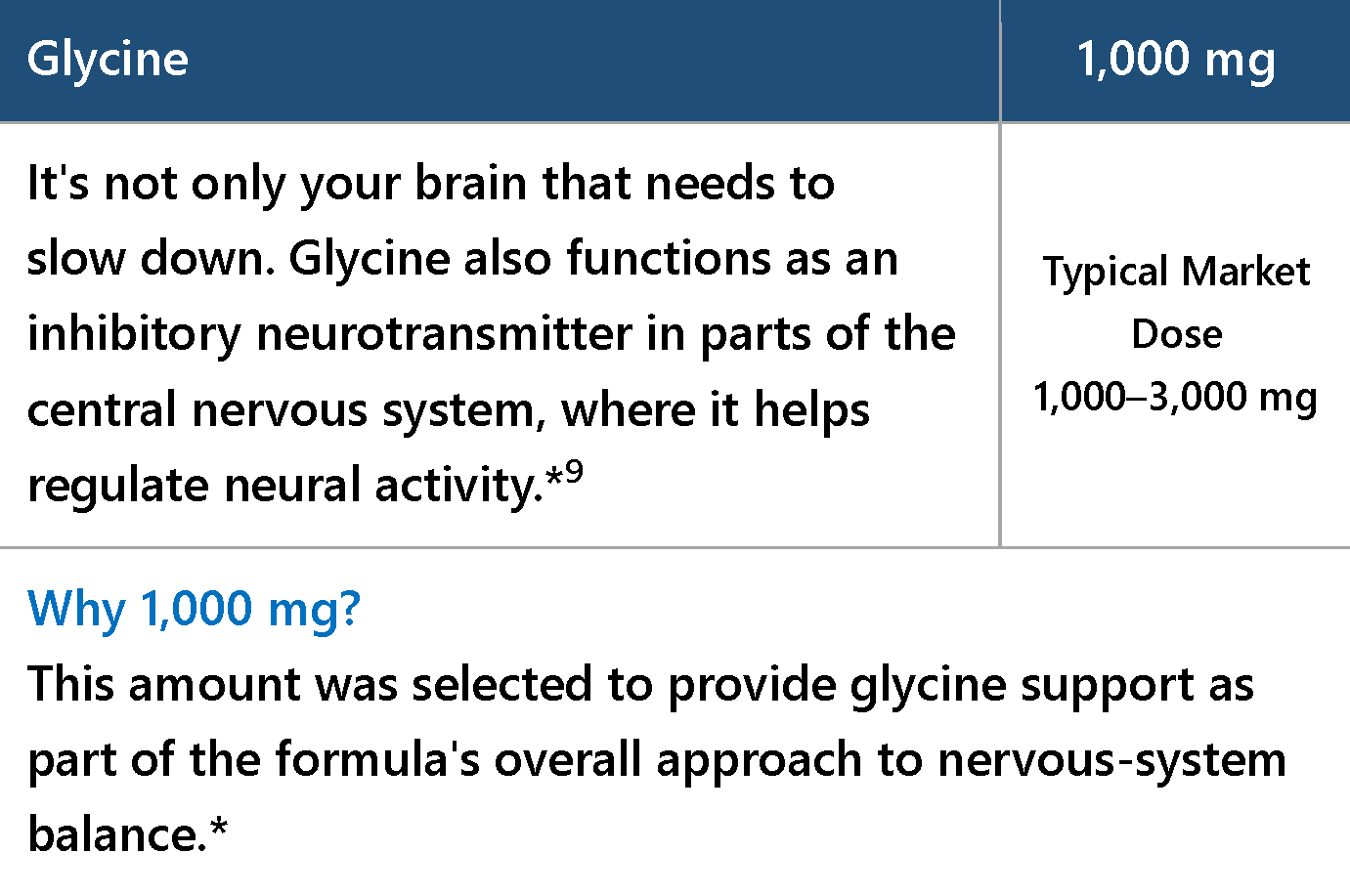
How you feel during the day can affect how you rest at night—and how well you rest can influence mood and motivation the next day.
Serotonin and dopamine are two key neurotransmitters involved in this process. That's why the formula includes ingredients selected to support the body's natural production of these neurotransmitters.*¹¹
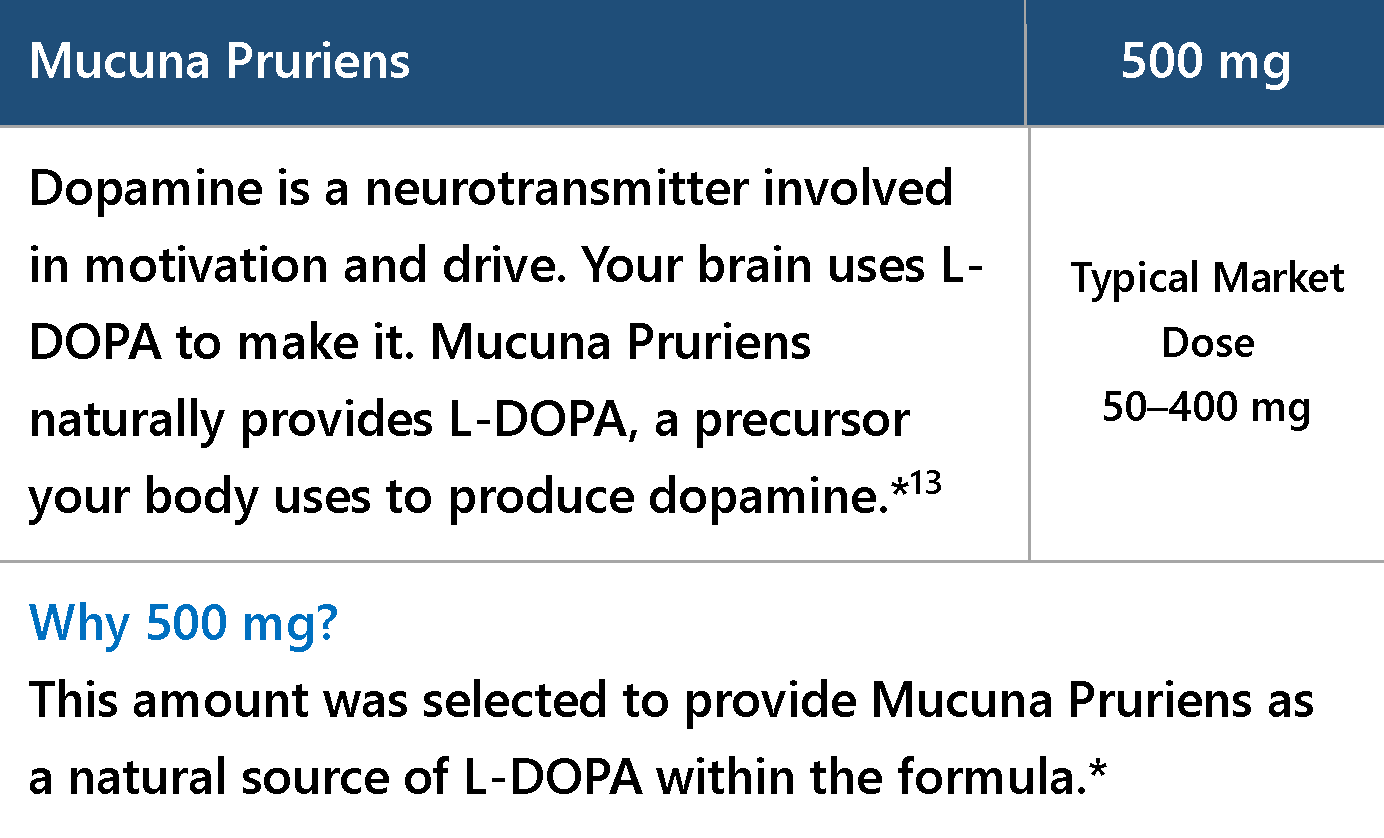
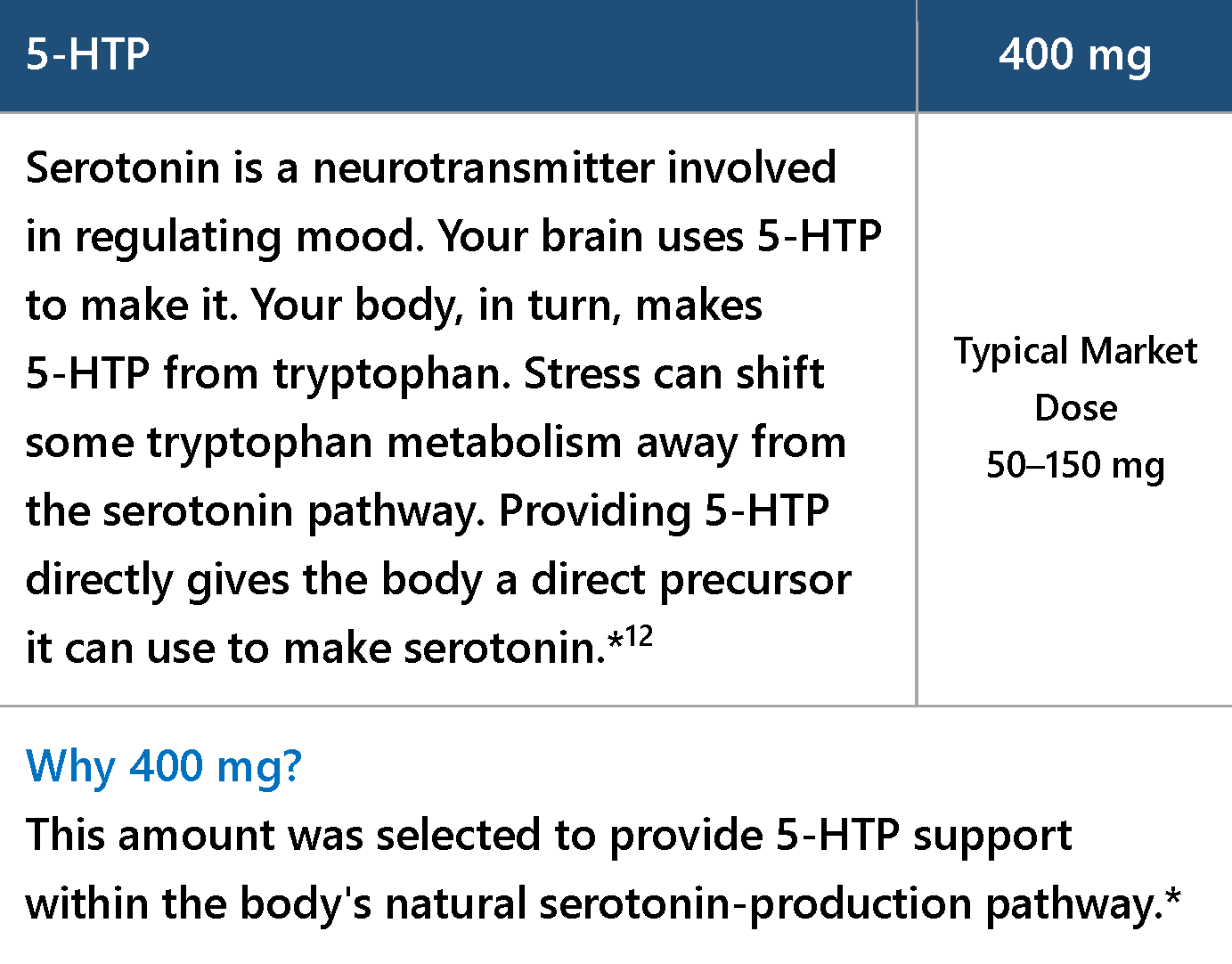
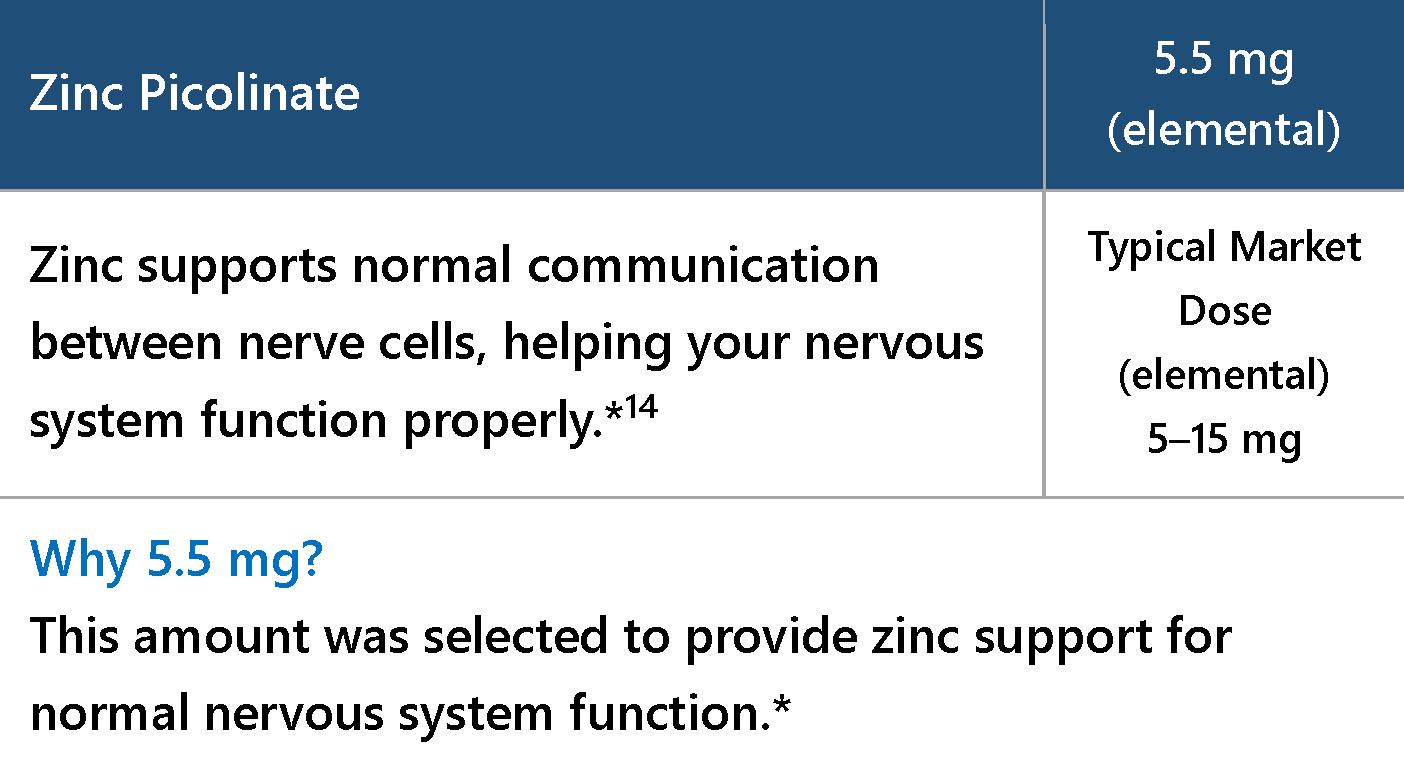
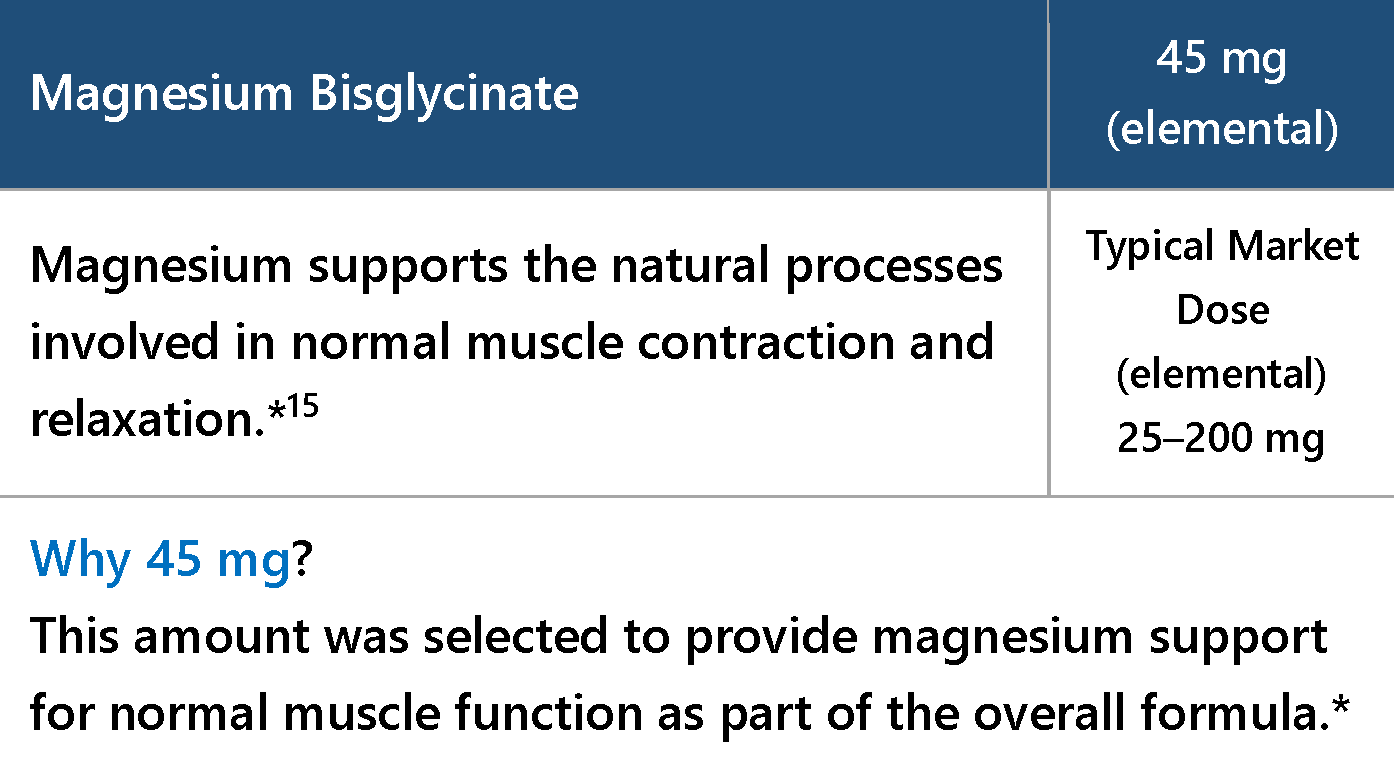
IV. Relax Your Body—Nerves to Muscles
Calming the mind is only part of winding down. Your nervous system can remain activated and your muscles can stay tense—even when you're trying to settle down. That's why we finish by supporting your body from nerves to muscles.
GET THE MOST FROM THE FORMULA
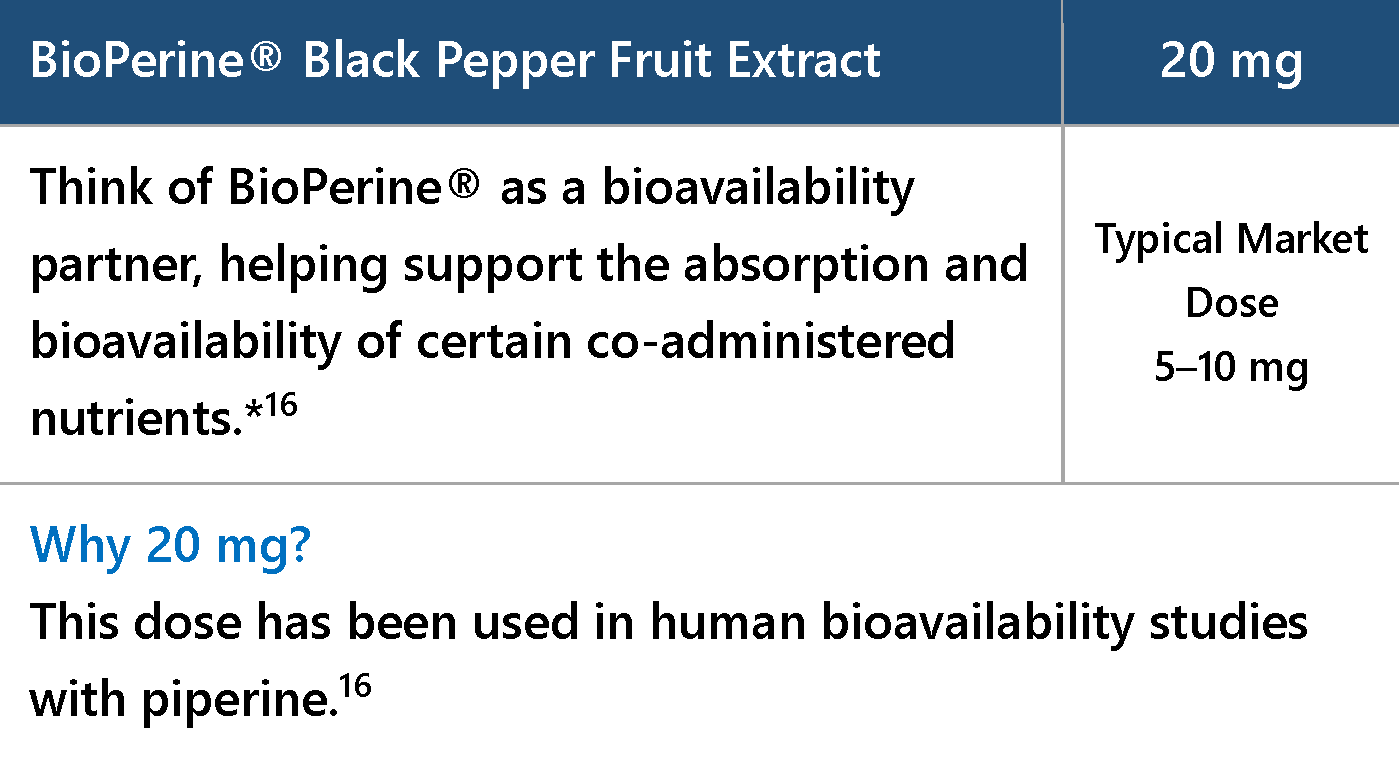
Absorption and bioavailability are important considerations in how certain nutrients are used by the body.
If, based on what you've learned,
In The Mood feels like the right choice for you, please Click Here to proceed with order details.
*These statements have not been evaluated by the Food and Drug Administration. This product is not intended to diagnose, treat, cure, or prevent any disease.
SCIENTIFIC REFERENCES (18)
1. Kalmbach DA, Cuamatzi-Castelan AS, Tonnu CV, et al. Hyperarousal and sleep reactivity in insomnia: current insights. Nat Sci Sleep. 2018;10:193–201. doi:10.2147/NSS.S138823. View on PubMed
2. Chandrasekhar K, Kapoor J, Anishetty S. A prospective, randomized double-blind, placebo-controlled study of safety and efficacy of a high-concentration full-spectrum extract of Ashwagandha root in reducing stress and anxiety in adults. Indian J Psychol Med. 2012;34(3):255–262. doi:10.4103/0253-7176.106022. View on PubMed
3. Olsson EM, von Schéele B, Panossian AG. A randomised, double-blind, placebo-controlled, parallel-group study of the standardised extract SHR-5 of the roots of Rhodiola rosea in the treatment of subjects with stress-related fatigue. Planta Med. 2009;75(2):105–112. doi:10.1055/s-0028-1088346. View on PubMed
4. Hepsomali P, Groeger JA, Nishihira J, Scholey A. Effects of oral gamma-aminobutyric acid (GABA) administration on stress and sleep in humans: a systematic review. Front Neurosci. 2020;14:923. doi:10.3389/fnins.2020.00923. View on PubMed
5. Wang H, Cheng L, Han Y. Effect of oral administration of GABA on thermoregulation in athletes during exercise in cold environments: a preliminary study. Front Nutr. 2022;9:883571. doi:10.3389/fnut.2022.883571. View on PubMed
6. Ebadi M. Regulation and function of pyridoxal phosphate in CNS. Neurochem Int. 1981;3(3–4):181–205. doi:10.1016/0197-0186(81)90001-2. View on PubMed
7. Evans M, McDonald AC, Xiong L, Crowley DC, Guthrie N. A randomized, triple-blind, placebo-controlled, crossover study to investigate the efficacy of a single dose of AlphaWave® L-Theanine on stress in a healthy adult population. Neurol Ther. 2021;10(2):1061–1078. doi:10.1007/s40120-021-00284-x. View on PubMed
8. Williams JL, Everett JM, D'Cunha NM, et al. The effects of green tea amino acid L-Theanine consumption on the ability to manage stress and anxiety levels: a systematic review. Plant Foods Hum Nutr. 2020;75(1):12–23. doi:10.1007/s11130-019-00771-5. View on PubMed
9. Zafra F, Aragón C, Giménez C. Molecular biology of glycinergic neurotransmission. Mol Neurobiol. 1997;14(3):117–142. doi:10.1007/BF02740653. View on PubMed
10. Oja SS, Saransaari P. Significance of taurine in the brain. Adv Exp Med Biol. 2017;975:89–94. doi:10.1007/978-94-024-1079-2_8. View on PubMed
11. Konjarski M, Murray G, Lee VV, Jackson ML. Reciprocal relationships between daily sleep and mood: a systematic review of naturalistic prospective studies. Sleep Med Rev. 2018;42:47–58. doi:10.1016/j.smrv.2018.05.005. View on PubMed
12. Nakamura K, Hasegawa H. Production and peripheral roles of 5-HTP, a precursor of serotonin. Int J Tryptophan Res. 2009;2:37–43. doi:10.4137/IJTR.S1022. View on PubMed
13. Pulikkalpura H, Kurup R, Mathew PJ, Baby S. Levodopa in Mucuna pruriens and its degradation. Sci Rep. 2015;5:11078. doi:10.1038/srep11078. View on PubMed
14. Tóth K. Zinc in neurotransmission. Annu Rev Nutr. 2011;31:139–153. doi:10.1146/annurev-nutr-072610-145218. View on PubMed
15. National Institutes of Health, Office of Dietary Supplements. Magnesium: Fact Sheet for Health Professionals. NIH Office of Dietary Supplements. View NIH Fact Sheet
16. Shoba G, Joy D, Joseph T, et al. Influence of piperine on the pharmacokinetics of curcumin in animals and human volunteers. Planta Med. 1998;64(4):353–356. doi:10.1055/s-2006-957450. View on PubMed
17. McEwen BS, Gianaros PJ. Central role of the brain in stress and adaptation: links to socioeconomic status, health, and disease. Ann N Y Acad Sci. 2010;1186:190–222. doi:10.1111/j.1749-6632.2009.05331.x. View on PubMed
18. Biabani N, Birdseye A, Higgins S, et al. The neurophysiologic landscape of the sleep onset: a systematic review. J Thorac Dis. 2023;15(8):4530–4543. doi:10.21037/jtd-23-325. View on PubMed
© 2026 Health Smart Products LLC • Richboro, Pennsylvania, USA